
Best camera for landscape photography: detail without the wrong kit
Start with the Fujifilm X-T5 for a stills-led landscape kit, or the Sony a7R V when single-shot resolution matters more than file volume. Choose the lenses before committing to either body.
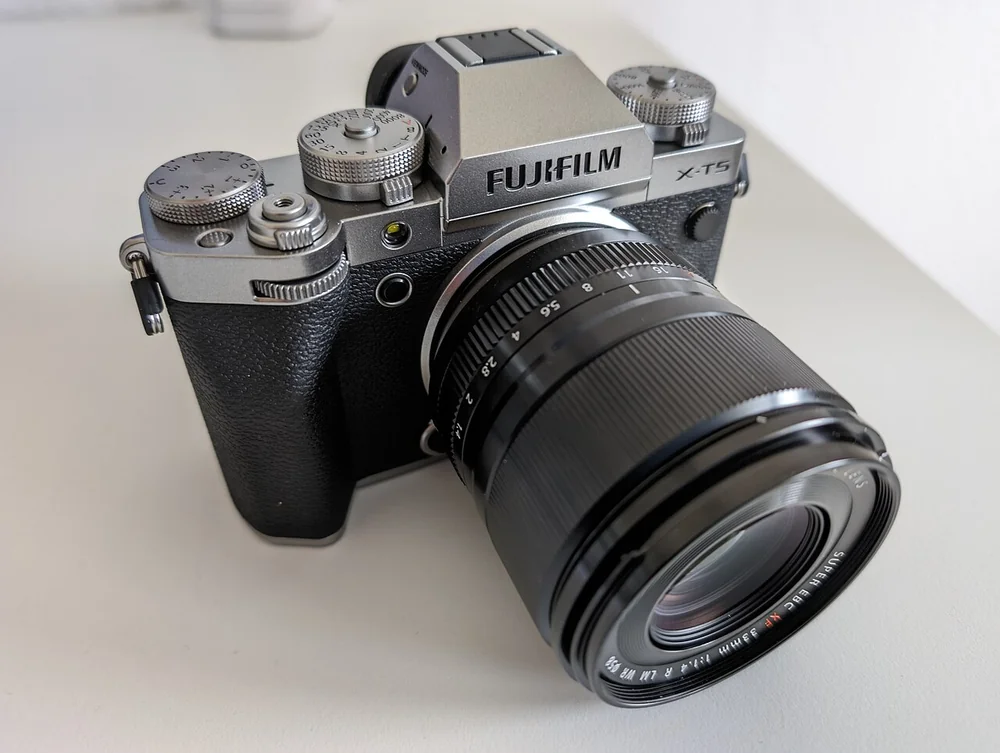

Start with the Fujifilm X-T5 if you are building a kit mainly for landscape photographs. Its 40.2 MP APS-C sensor gives you a detail-led starting point, with stabilization to help compensate for camera shake. Choose the Sony a7R V if your prints or cropping needs justify its 61 MP files, the highest single-shot pixel count here.
Choose the lenses before either body. A camera specification will not tell you how a wide-angle lens draws the corners of a scene, or whether the whole bag will be comfortable on a long walk. Count the tripod, filters and spare batteries too. Fast bursts are worth paying for only if moving subjects are also part of your work.
This is a research-based guide using manufacturer specifications and independent reviews.
We may earn a commission from qualifying purchases through the Amazon.com links. Recommendations are body-only; pictured lenses and accessories are excluded. Check the exact model, contents, seller, condition, delivery date and regional warranty before ordering.
Compare the landscape decisions
Compare the kind of kit each camera suits. Manufacturer specifications and independent reviews are collected in the sources at the end.
| Camera | Landscape reason to consider it | What should decide the purchase |
|---|---|---|
| Fujifilm X-T5 | 40.2 MP APS-C, sensor-shift stabilization | An XF/XC lens kit that fits the walk; weaker tracking matters if people or animals join the brief |
| Sony a7R V | 61 MP full frame, in-body stabilization | A genuine need for detailed files; review white balance rather than assuming accurate colour |
| Nikon Z8 | 45.7 MP full frame, in-body stabilization | Mixed landscape and action work that justifies a large body |
| Canon EOS R5 Mark II | 45 MP stacked full frame | Existing RF investment and a verified battery plan, rather than burst speed alone |
| Panasonic Lumix S5II | 24.2 MP full frame, phase hybrid autofocus | Whether video is a real part of the trip, not an unused specification |
| OM System OM-1 Mark II | 20.4 MP, stabilization, focus bracketing | Supported Micro Four Thirds lenses and whether replacing an OM-1 solves anything |
| Sony a7 IV | 33 MP full frame | General-purpose FE kit instead of maximum resolution; cropped 4K/60p if filming |
Seven ways to build the kit
Fujifilm X-T5 for a stills-first purchase
Check Fujifilm X-T5 on Amazon.com
The X-T5 is the first kit to price for stills-focused landscape work. Fujifilm specifies 40.2 MP and five-axis sensor-shift stabilization, which moves the sensor to compensate for camera shake. You get that resolution in a single exposure, without planning a sequence of frames to combine later.
DPReview found weaker tracking and face/eye autofocus than competing systems. That matters little for a static valley, but deserves attention if you also photograph approaching hikers. Stabilization will not freeze wind-blown foliage either. Choose the intended XF or XC lenses before committing; Fujifilm’s GFX lenses are not native alternatives.
Sony a7R V when the file is the priority
.jpg)
Check Sony a7R V on Amazon.com
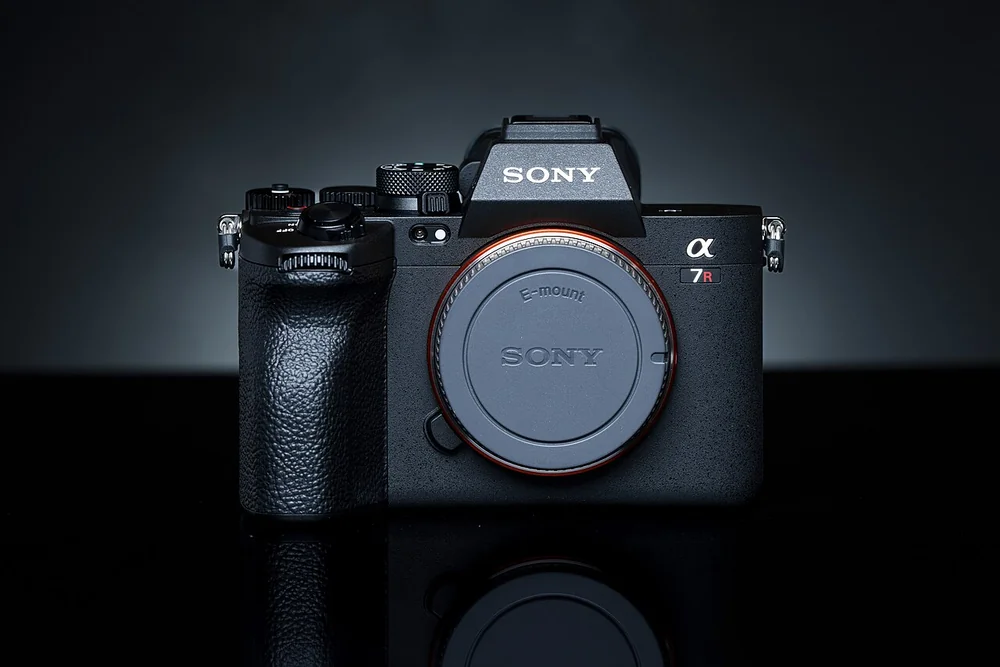
Choose the a7R V when fine detail or room to crop is a specific requirement. Sony lists a 61 MP sensor, in-body stabilization and subject-recognition autofocus. The extra pixels are the reason to consider it, but they cannot tell you how a particular lens performs or how much detail you can recover from dark areas.
Amateur Photographer reported occasional automatic white-balance colour casts. White balance controls how warm or cool the image looks, so check it as the light changes. The review also describes video compromises. Buy this model for its detailed still files rather than mainly to film your walks.
Nikon Z8 for landscapes with action on the same trip
.jpg)
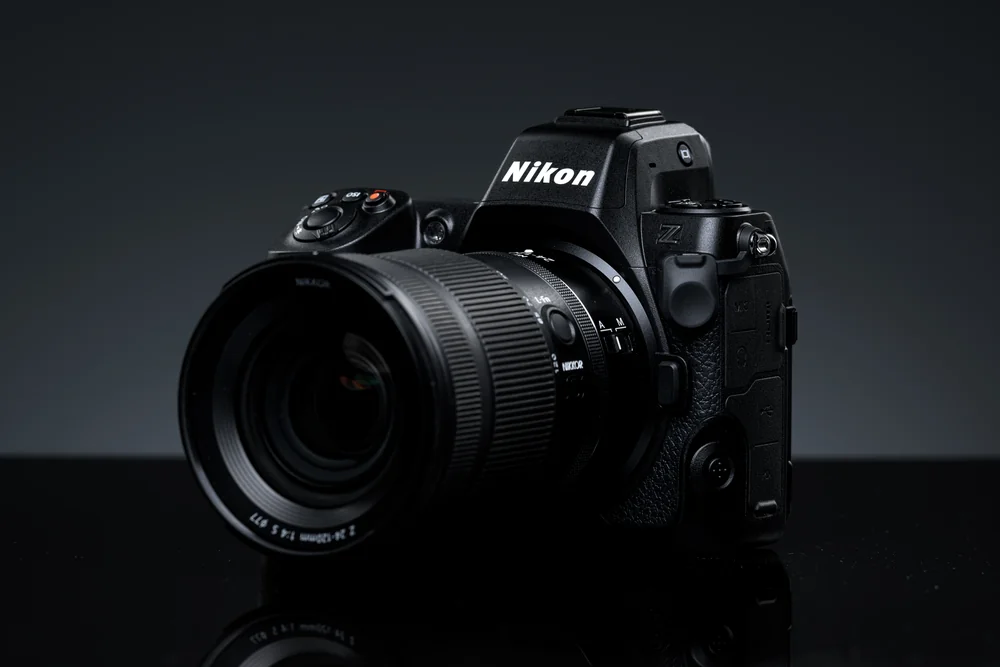
Pick the Z8 if the same trip includes landscapes and action. Nikon specifies 45.7 MP, stabilization and 20 fps RAW shooting. RAW preserves editing choices; the burst rate matters when subjects move, not when the camera is aimed at a still valley.
DPReview found the body large and heavy relative to peers. Try it with a representative lens before choosing it for a long hike. Existing Nikon F-mount lenses need an FTZ or FTZ II adapter, and autofocus compatibility varies by lens. Check yours rather than assuming the entire old kit transfers.
Canon EOS R5 Mark II for an RF-based system
.jpg)
Check Canon EOS R5 Mark II on Amazon.com
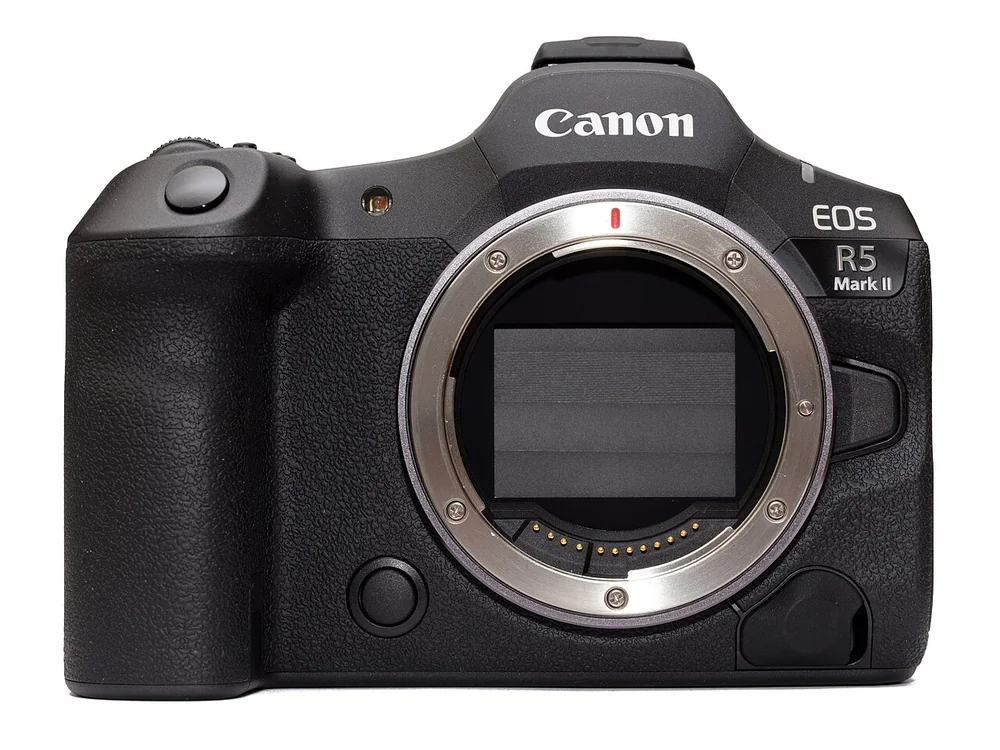
The R5 Mark II makes most sense if you already have suitable Canon RF lenses. Its 45 MP full-frame sensor gives you a high-resolution stills option without changing systems. Landscape work alone is a weaker reason to pay for its action capabilities.
Battery compatibility needs attention. Amateur Photographer reports that best performance requires the LP-E6P and that some third-party LP-E6 batteries are rejected. Check your spares before a trip. RF-S lenses also crop the image, so they will not preserve the full-frame view.
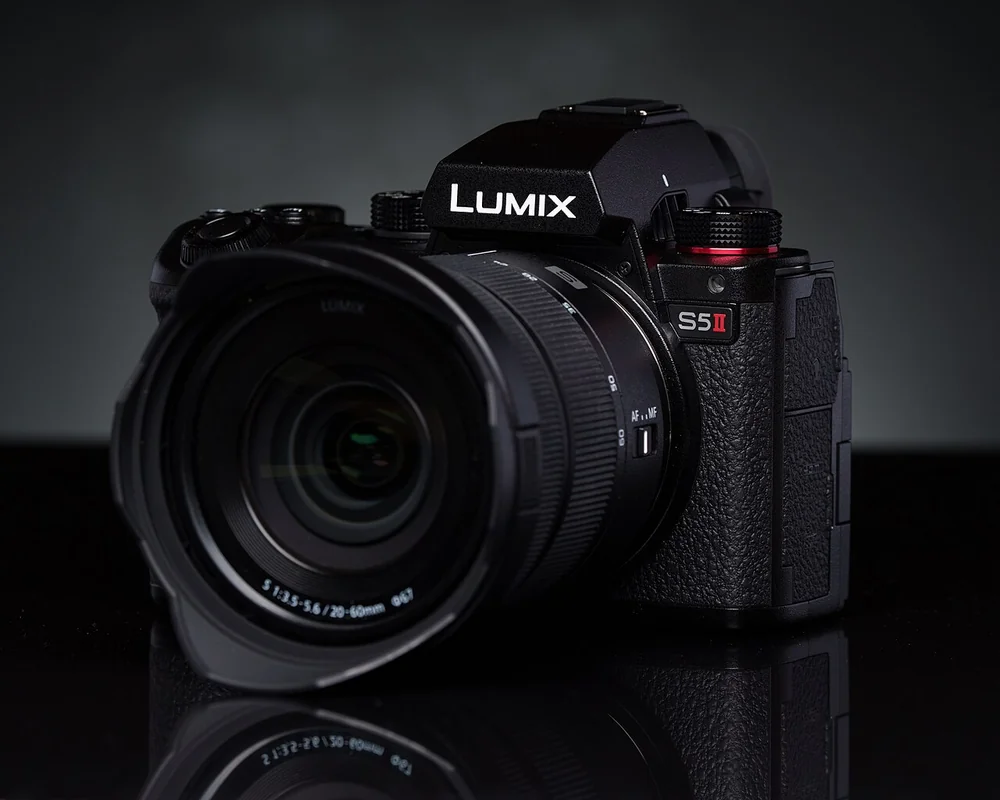
Panasonic Lumix S5II for a mixed stills and film brief
.jpg)
Check Panasonic Lumix S5II on Amazon.com
Choose the S5II if you deliver video as well as landscape photographs. Panasonic lists a 24.2 MP full-frame sensor and phase hybrid autofocus. That focus system combines methods to find focus; it is not a reason on its own to choose this body for a static scene.
TechRadar warns that the video-heavy feature set may be poor value for stills-only buyers. If you rarely film, compare the lens package against the other options before paying for capabilities you will leave unused. Select full-frame L-mount lenses and the exact S5II model, not the S5IIX or original S5.
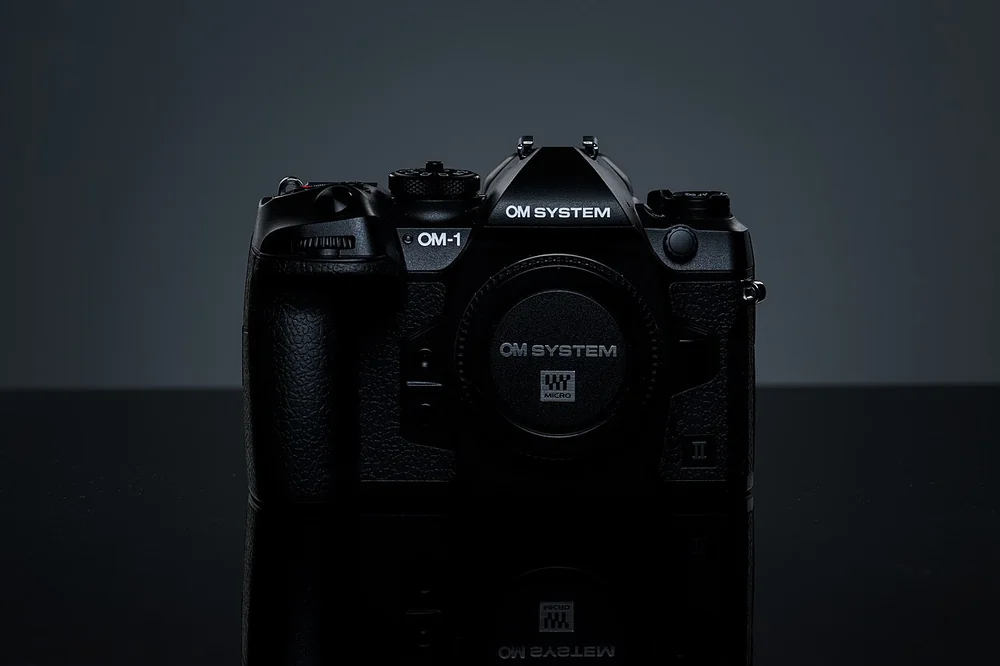
OM System OM-1 Mark II for a deliberate Micro Four Thirds kit

Check OM System OM-1 Mark II on Amazon.com
Consider the OM-1 Mark II if a Micro Four Thirds lens kit fits your walks and output needs. OM System lists 20.4 MP, stabilization and focus bracketing. Bracketing takes frames at different focus distances, which you can plan to combine for more depth in focus. Check the exact lens and processing workflow first.
PetaPixel found the improvements over the original OM-1 relatively minor. Existing owners should identify a problem the upgrade solves before replacing it. Weigh the full kit rather than assuming the smaller sensor makes the bag lighter. Cross-brand lenses may fit without supporting all coordinated stabilization or computational features.
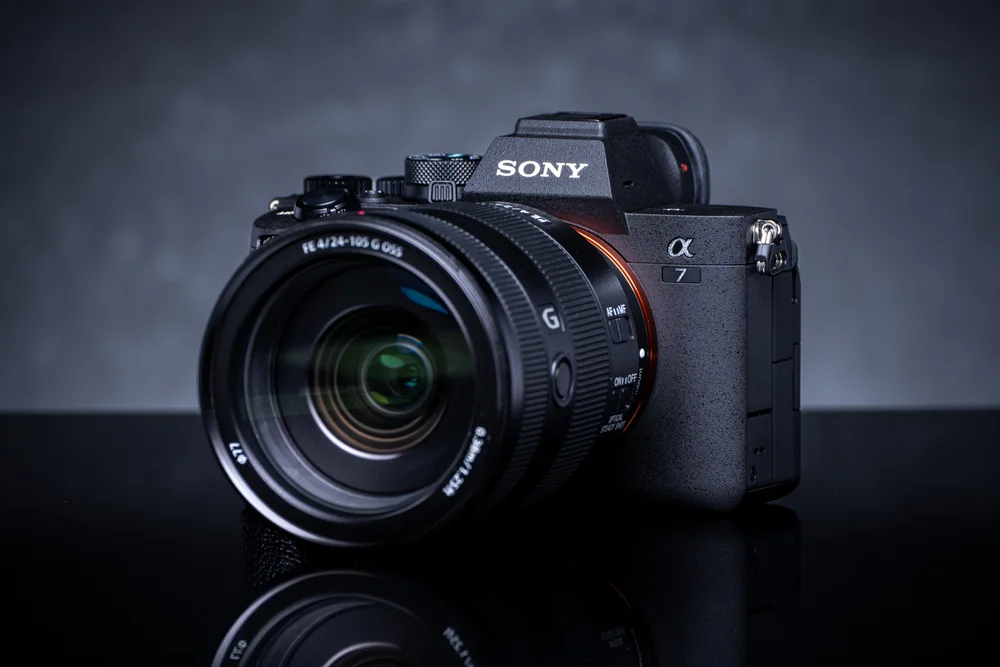
Sony a7 IV for a general-purpose FE system
_-_by_Henry_S%C3%B6derlund_(51739988735).jpg)
Check Sony a7 IV on Amazon.com
The a7 IV is the general-purpose Sony choice if you want a full-frame system without making maximum resolution the goal. Its 33 MP sensor sits between the lower- and higher-resolution options here. Use FE lenses for full-frame coverage; APS-C E lenses crop the image.
Tom’s Guide notes cropped 4K at 60 fps, which changes how the same lens frames an accompanying clip. The review’s action drive-rate limitation matters more for sport than for a landscape on a tripod. Choose the a7 IV for a varied stills kit, and the a7R V only if the extra resolution has a purpose.
Buying criteria that matter outdoors
Start with the delivered image
Decide whether you need substantial cropping, a specific print size, or modest web output. More pixels can support a detail-led brief, but this evidence does not compare resolved detail through specific lenses. Ask for representative files from a trustworthy source before making an expensive system change.
Build the bag before choosing the body
List the wide, normal and longer views you use, then weigh the proposed lenses, body, tripod, batteries and filters together. If carrying the kit is the main constraint, compare the different trip types in our travel camera guide. Check mount coverage and adapter support. A smaller sensor is not a complete weight calculation. Avoid paying for a body whose only appealing lens combination you will leave at home.
Separate static-scene methods from moving scenery
Wind, waves and changing light matter when planning multiple exposures. Verify any intended multi-shot mode in the exact manual, including subject-motion restrictions and processing requirements. This guide recommends single-shot specifications; it does not promise a supported high-resolution composite mode for any pick.
Do not turn resolution into a dynamic-range ranking
Sunrise and backlit scenes raise exposure questions that megapixel counts cannot answer. This guide does not provide a measured dynamic-range leaderboard. Do not infer shadow recovery, base-ISO superiority or long-exposure noise results from sensor size alone.
Questions before buying
Is full frame necessary for landscape photography?
No. Full frame is not a requirement. The APS-C X-T5 and Micro Four Thirds OM-1 Mark II are valid system branches. Choose based on the output, lenses and carried kit, not a sensor-format label.
Which pick has the highest single-shot resolution?
The Sony a7R V at 61 MP, according to Sony. That gives it the highest pixel count here, not an automatic win in every scene.
Can stabilization replace a tripod?
Do not buy on that assumption. Manufacturer stabilization ratings are condition-dependent, and stabilization cannot stop subject movement. Decide which exposures and compositions require repeatable support before choosing your field kit.
Are these cameras verified for photographing stars?
A general landscape recommendation is not an astrophotography test result. Check exact-model night-sky evidence and the intended lens before buying specifically for that use.
Recommendation and research limits
Start with the X-T5 lens kit. Move to the a7R V if your deliverables justify the resolution, or keep an existing RF, Z, FE, L-mount or Micro Four Thirds system when replacing it would solve no real problem. Unlike a wedding camera purchase, the central decision here is single-shot detail versus the kit you will carry, not a verified event backup configuration.
Sources and specifications
- Fujifilm X-T5: Fujifilm specifications, DPReview review.
- Sony a7R V: Sony product page, Amateur Photographer review.
- Nikon Z8: Nikon product page, DPReview review.
- Canon EOS R5 Mark II: Canon specifications, Amateur Photographer review.
- Panasonic Lumix S5II: Panasonic product page, TechRadar review.
- OM System OM-1 Mark II: OM System specifications, PetaPixel review.
- Sony a7 IV: Sony specifications, Tom’s Guide review.
Related guides
Best camera for beginners: seven choices for learning photography
Compare seven beginner camera candidates by viewfinder, stabilization, learning controls and lens-system commitments, with clear drawbacks and research sources.
Best camera for portraits: choose for the session, not skin-tone claims
Seven portrait cameras for learning, controlled sessions and hybrid work, with lens-system tradeoffs, useful drawbacks and lighting checks before buying.
Best camera for sports photography: compare usable bursts, not headline speed
Seven sports camera candidates with RAW and shutter-mode distinctions, lens compatibility cautions and specific questions for indoor and outdoor action.